Solidron logo Solidron
Solidron / News & Insights

Construction intelligence for the Parisian context.

A curated perspective on material science, regulatory nuance, and the reality of building in dense urban environments. We document the "why" behind the build.

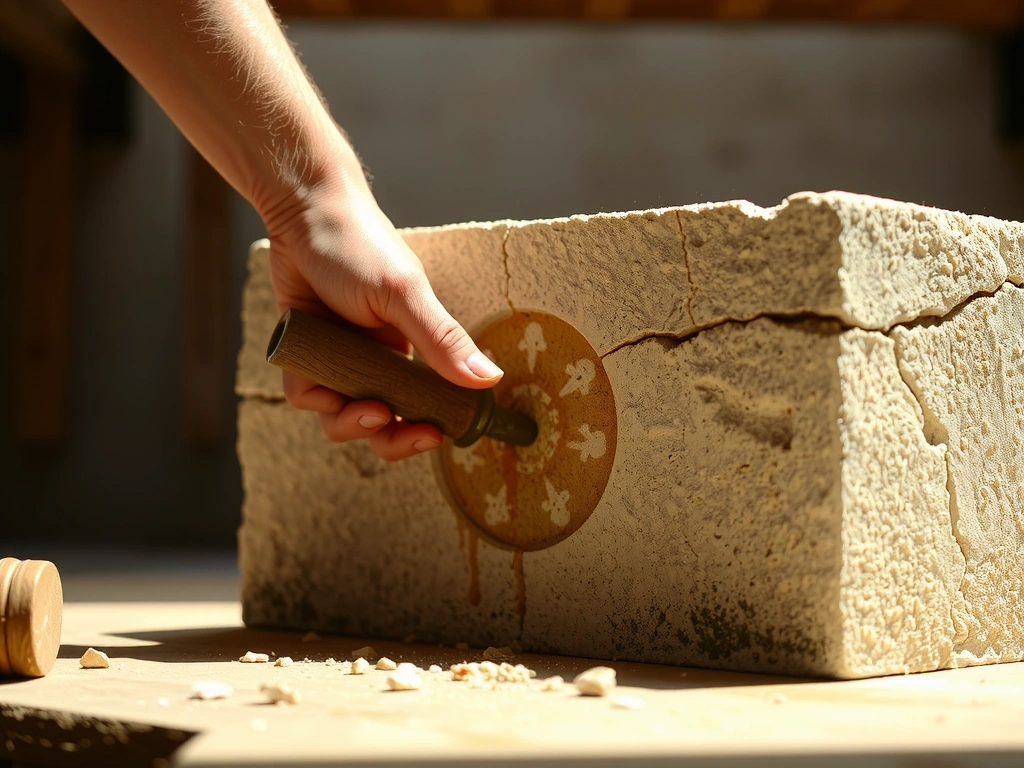
Restoration Material Detail
Material Innovation

The Return of Lime Mortar: Why Cement is Fading in Heritage Paris.

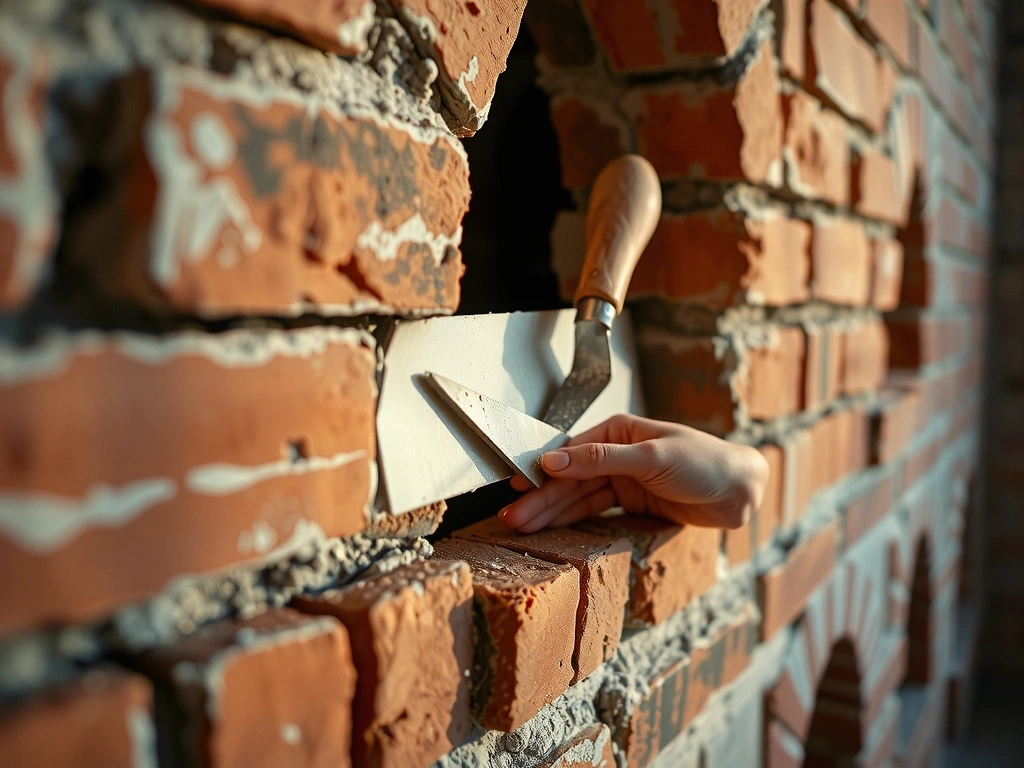
Parisian heritage conservation is undergoing a quiet revolution. We explore why the rigid impermeability of Portland cement is being rejected in favor of hydraulic lime—breathable, flexible, and historically sympathetic.

DTU 31.1 Capillary Action Paris 11th
Latest Briefings

2026.04.12 EU Green Deal Compliance: 2024 Sourcing Mandates

Cost implications for French contractors regarding recycled aggregates.

2026.03.28 Modular Timber in Narrow Plots

Adapting prefabricated systems for Haussmannian constraints.

2026.03.15 BIM for Small Firms

A practical guide to digital twins without enterprise budgets.

Discuss a trend

The Trade-off Lens: Breathability vs. R-Value

Wood Fiber Insulation Higher Cost

Preserves masonry health long-term but requires thicker walls to match synthetic thermal performance.

Synthetic PIR Boards Low Cost / High R-Value

Risk of interstitial condensation if not perfectly sealed; traps moisture in heritage walls.

Mineral Wool The Middle Ground

Non-combustible and vapor-permeable, but susceptible to compression over time.

Our Decision Constraints

Assumptions

Wall thickness allows for 100mm insulation layer; existing substrate is stable but requires breathable finish.

Boundaries
  • Historic facade restrictions (ARCEP)
  • Client budget cap of €450/m²
  • Acoustic insulation requirement (45dB)
What Changes The View

"If substrate moisture content exceeds 15% at diagnostic, we pivot to hydraulic lime render immediately."

Common Pitfalls: The "Modern Retrofit"

Retrofitting 19th-century buildings with modern systems introduces conflicts between historic materials and current performance standards. Here is how we avoid the standard failure modes.

The Vapor Barrier Trap

Installing a sealed membrane inside a solid stone wall creates a "moisture sandwich." Mitigation: Use vapor-open interior plasters (clay/lime) instead of gypsum board.

Rigid Floor Insulation

Rigid PIR boards under parquet flooring dampen acoustic transmission properties. Mitigation: Floating floors on resilient isolation pads are tested for impact noise.

Oversized HVAC Ducts

Cutting into cast-iron joists for ductwork compromises structural integrity. Mitigation: Use high-velocity mini-duct systems or exposed surface-mounted piping (industrial aesthetic).

Field Notes & Observations

2026.04.10
107 Blvd Richard-Lenoir
Plaster Work

"Wall substrate was looser than expected. We switched from mechanical anchors to chemical anchors for the insulation layer. Delayed the schedule by 4 hours, but saved the integrity of the brick."

Site Manager Note
2026.03.22
Marais Façade Project
Stone Carving

"Client requested a 'clean' look on 19th-century stone. We refused and used a soft wash instead. The patina carries the structural history of the humidity exposure."

Lead Architect
2026.03.05
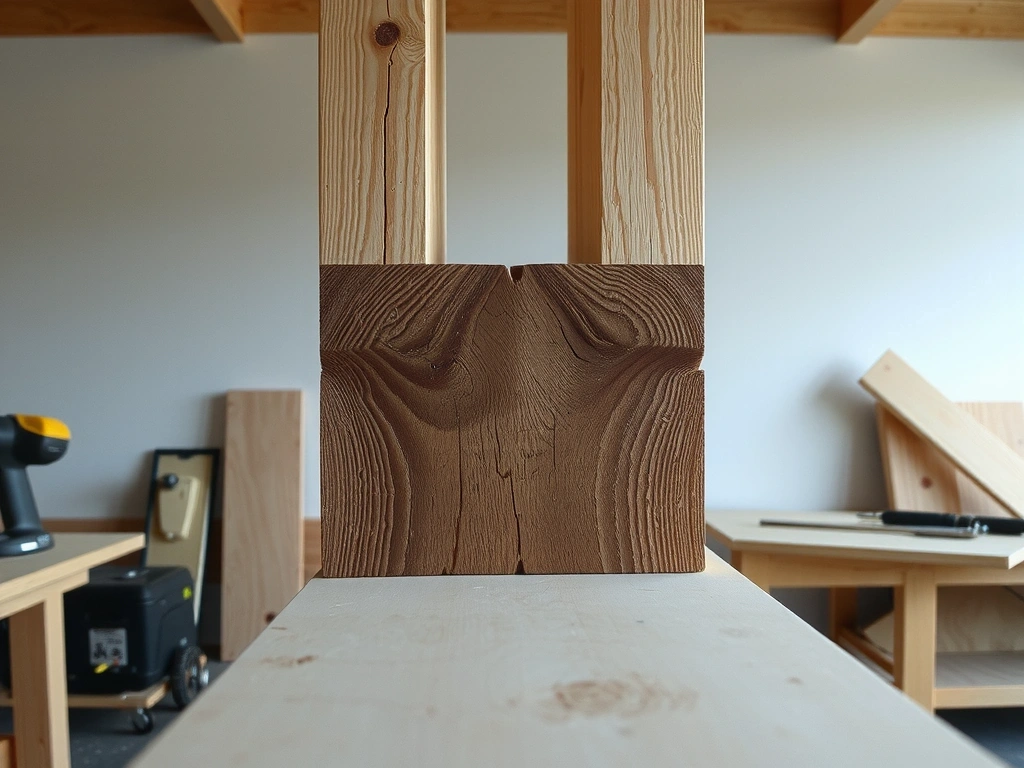
Timber Frame Assembly
Timber Joint

"Prefab delivery window was 2 hours tight. Traffic in the 11th is unpredictable. We staged components 2km away and moved them in via electric forklift during the 6am window."

Logistics Lead
Volume 02 / Material Memo

Notes from the Foreman: On Timber Decay

European Oak vs. American White Oak

Sustainability, Grain Stability, and Sourcing

Recommendation: Local

We see a lot of requests for "White Oak" based on Pinterest boards and North American trends. However, the American variety has a significantly higher tannin content and a different expansion coefficient. In the humid micro-climate of a Parisian bathroom, that translates to warping within 18 months unless climate control is flawless.

"We exclusively use French or German-sourced Quercus robur. It’s slower grown, tighter grained, and crucially, it matches the humidity adaptation of the local building stock."

From a carbon perspective, importing North American timber to France for interior trim is indefensible. The logistics footprint negates the 'natural material' appeal. If the client insists on the lighter color, we bleach the local oak, we don't import the species.

Fungal Rot Diagnostics

Dry Rot vs. Wet Rot: The Cost Difference

Misidentifying wet rot (Fungal Cellar) as dry rot (Serpula lacrymans) is the most expensive mistake in renovation. Dry rot requires aggressive remediation (removing masonry, replacing joists), while wet rot often just needs localized treatment and moisture source removal.

  • The Test: We probe with a resistance drill. If the wood crumbles to powder, it's likely dry rot.
  • The Mitigation: For wet rot, we treat in-situ with boron gel. For dry rot, the timber is out, and the wall gets stripped back 500mm past the infection.

The Site Diary

Unfiltered field notes, material tests, and daily decisions from our active sites. Scroll horizontally.

Live / 2026 Q2
Site Desk
107 Blvd RL 09:42

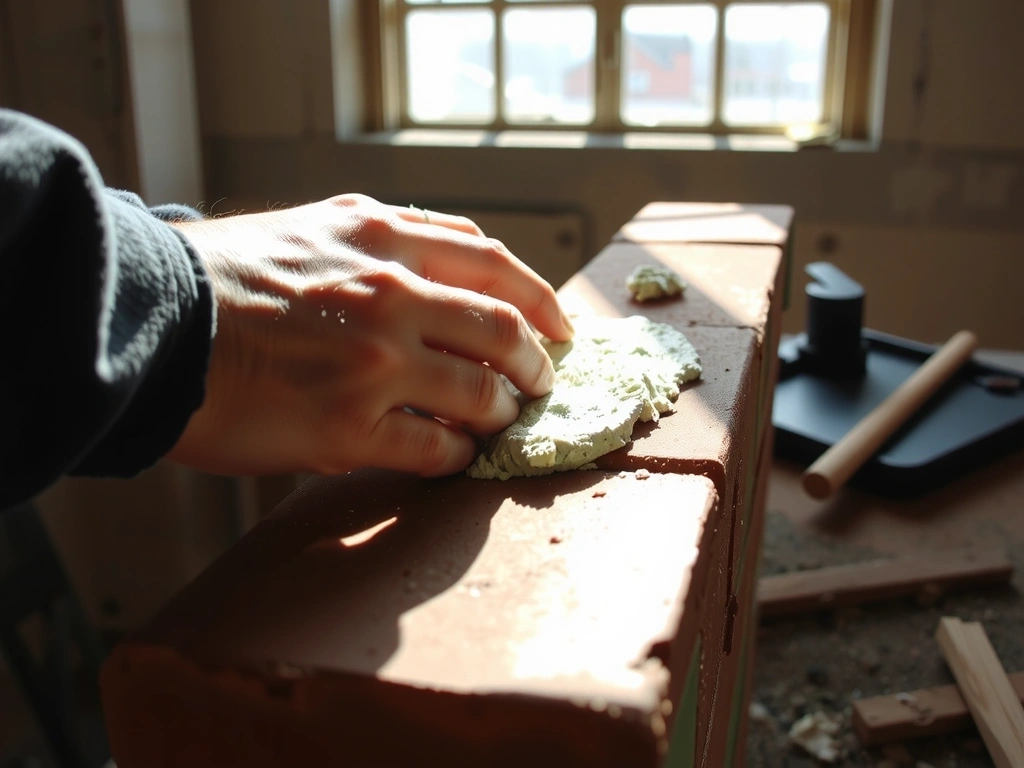
Ordered the lime render mix. Supplier switched the binder ratio. We rejected the batch. See photo of consistency test.

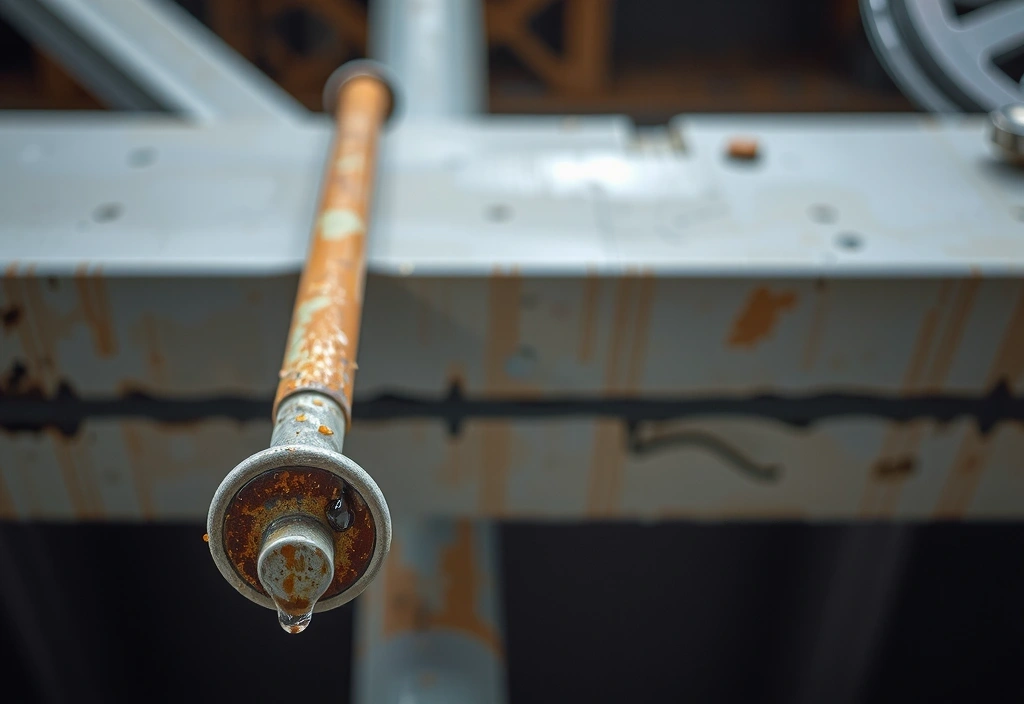
Rebar Detail
Marais Site 14:15

Rebar exposure on the 2nd floor. Moisture meter reads 18%. Need epoxy coating before concrete pour tomorrow morning.

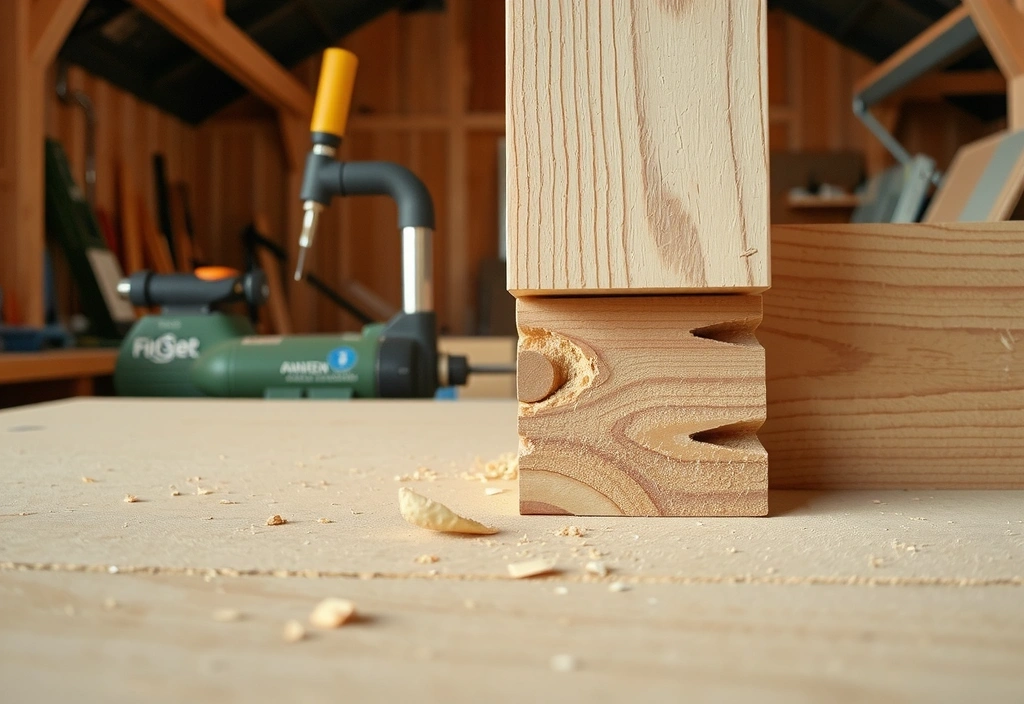
Timber CNC
Workshop 11:30

CNC return came in. Tolerance is +/- 0.5mm. Fits perfectly. We proceed with assembly.

Floor Removal
Haussmann Reno 16:05

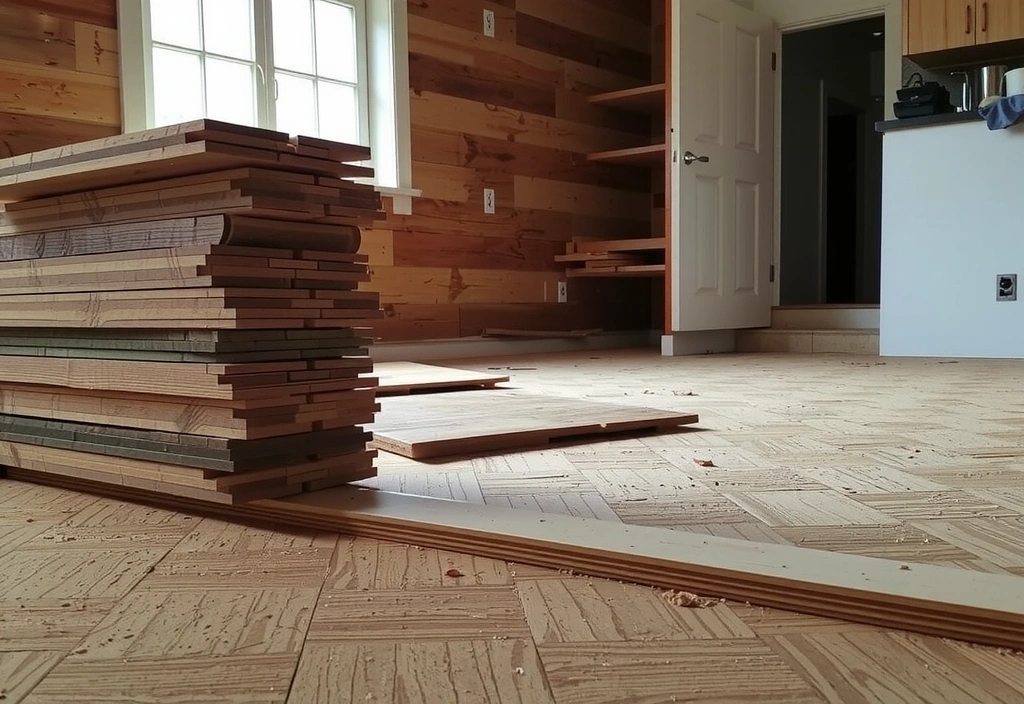
Floorboards removed. Joists surprisingly dry. Original 1920s specs held up. We can salvage the layout.

Looking for technical documentation?

Get full specs on materials, regulations, and our project methodology.